In today’s fast-scrolling digital world, memes aren’t just jokes-they’re cultural signals. Every week, the internet produces new viral moments that reflect how people think, feel, and react to global events. From relatable humor to absurd chaos, meme culture continues to evolve at lightning speed. This week was no exception. In this in-depth trend analysis by Trend Trackr, we break down the most viral memes dominating social media, uncover why they went viral, and explore what they reveal about ever-evolving social trends.
Weekly Meme Culture
Memes have become the language of the internet. Whether it’s Instagram reels, TikTok videos, or Twitter (X) threads, memes spread faster than traditional content.
What makes them powerful is their relatability, speed, and adaptability. A single idea can evolve into thousands of variations within hours. According to recent trend observations, meme formats are increasingly influenced by short-form video content and real-time events .
This week’s memes reflect a mix of chaos, nostalgia, and self-aware humor-hallmarks of Gen Z internet culture.
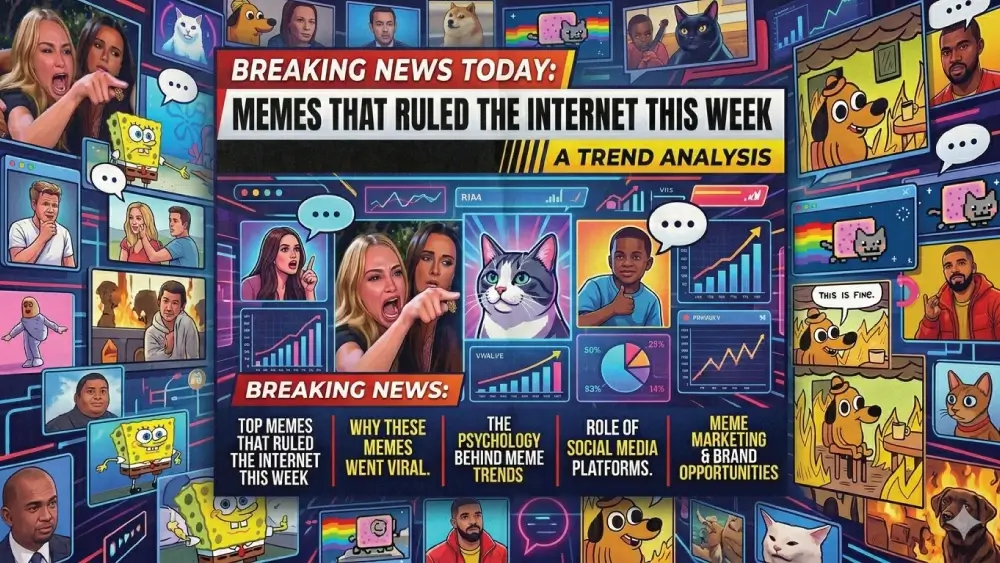
Top Memes That Ruled the Internet This Week
1. “March Was a Year” Chaos Memes
One of the biggest viral trends this week revolved around people joking that March felt like an entire year.
Users created:
- Timeline memes showing chaotic events
- “Surviving March” jokes
- Emotional rollercoaster posts
This trend started from a simple complaint but quickly turned into a viral format across platforms .
Trend Insight:
People are using humor to cope with overwhelming news cycles and fast-paced life.
2. “Unc Humor” – Simple, Cringe, and Relatable
“Unc humor” (short for “uncle humor”) dominated meme culture this week.
This includes:
- Dad jokes
- Outdated captions
- Wholesome but awkward humor
Interestingly, what started as ironic humor has now become genuinely popular, especially among younger audiences .
Trend Insight:
Gen Z is shifting from irony to comfort humor-content that feels simple and authentic.
3. Crisis-Based Memes (LPG Panic Memes)
A surprising meme wave emerged around fears of LPG shortages. Instead of panic, social media responded with humor.
People posted:
- “Cooking without gas” jokes
- Household struggles turned into memes
- Satirical takes on crisis situations
This shows how humor becomes a coping mechanism during uncertainty .
Trend Insight:
Memes are now real-time reactions to news events, blending information with entertainment.
4. Nostalgia Wave – “2026 Is the New 2016”
Another major trend this week was nostalgia-driven memes.
Users recreated:
- Old Snapchat filters
- Vintage meme formats
- Early 2010s internet humor
This trend is part of a larger movement known as the “Great Meme Reset,” aiming to bring back simpler internet culture .
Trend Insight:
People are craving authentic, less polished digital experiences.
5. “It Only Has to Make Sense to Me” Meme
This viral meme took over TikTok and beyond.
The concept:
- Doing something random
- Refusing to explain it
- Caption: “It only has to make sense to me”
This trend reflects individuality and rejection of external validation .
Trend Insight:
Modern meme culture celebrates personal meaning over universal logic.
6. Absurd & Nihilistic Memes
Dark humor and absurd memes also trended heavily this week.
A popular example includes the “nihilistic penguin” meme, symbolizing existential humor and anti-conformity .
These memes often:
- Don’t make logical sense
- Embrace randomness
- Reflect deeper emotions
Trend Insight:
Absurdity is becoming the new normal in meme culture.
Why These Memes Went Viral
Several factors contributed to the virality of this week’s memes:
1. Relatability
People connect with content that reflects their emotions or experiences.
2. Simplicity
The easier a meme is to understand and recreate, the faster it spreads.
3. Adaptability
Memes that allow multiple variations dominate longer.
4. Timing
Real-world events (like crises or cultural moments) accelerate meme creation.
The Psychology Behind Meme Trends
Memes are not random-they’re deeply psychological.
They fulfill key emotional needs:
- Connection: Shared humor builds community
- Validation: Seeing others feel the same way
- Escape: Humor as a stress reliever
- Identity: Expressing personality through content
This week’s trends clearly show how memes help people process chaos, nostalgia, and uncertainty.
Role of Social Media Platforms
Different platforms played unique roles in spreading memes:
TikTok
- Short-form videos dominate
- Trends evolve rapidly
- Audio-based memes go viral quickly
- Reels amplify reach
- Meme pages drive engagement
Twitter (X)
- Real-time reactions
- Fastest meme creation cycle
The shift toward video-based memes shows how digital culture is evolving beyond static images.
Meme Marketing & Brand Opportunities
Brands are increasingly using memes to connect with audiences.
Why it works:
- Feels natural and relatable
- High engagement rates
- Shareable content
Studies show meme marketing has strong ROI and helps brands appear more “human” online .
At Trend Trackr, we’ve observed that brands that adapt to meme culture quickly gain viral traction.
The Future of Meme Culture
Based on current trends, here’s what we can expect:
1. More Video Memes
Static memes will decline; video content will dominate.
2. AI-Generated Memes
AI tools will accelerate meme creation.
3. Hyper-Niche Communities
Memes will become more community-specific.
4. Faster Trend Cycles
Memes may last days instead of weeks.
Conclusion
This week’s meme trends highlight a powerful shift in internet culture. From chaotic timelines to nostalgic throwbacks, memes are no longer just entertainment-they’re a reflection of society’s emotions, struggles, and humor. The biggest takeaway?
Meme culture is evolving toward authenticity, relatability, and emotional expression. As platforms grow and trends change, one thing remains constant: Memes will continue to shape how we communicate online.
FAQs
Why do memes go viral so quickly?
Because they are simple, relatable, and easy to share across platforms.
What makes a meme trend successful?
Relatability, timing, and adaptability are key factors.
Are memes important for brands?
Yes, they help brands connect with audiences in a natural and engaging way.
What is the “Great Meme Reset”?
It’s a movement bringing back older, simpler meme formats for a nostalgic feel.
Why are absurd memes popular?
They reflect modern internet humor and emotional complexity.
Which platform is best for meme trends?
TikTok currently leads due to its fast-paced, video-first format.