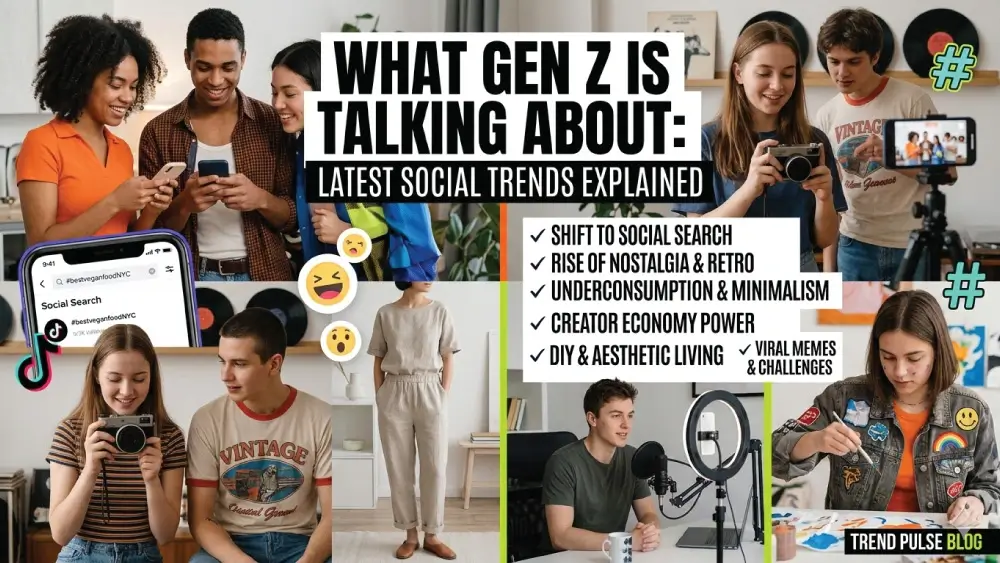
Gen Z-those born between the late 1990s and early 2010s-are not just passive users of the internet; they are trend creators, culture shapers, and digital disruptors. Their conversations go beyond memes and viral videos-they reflect deeper shifts in lifestyle, values, and technology. In 2026, Gen Z is talking about authenticity, sustainability, mental health, and digital fatigue. These discussions are shaping how brands, creators, and platforms evolve. On Trend Trackr, we closely analyze these conversations to decode what truly matters to Gen Z-and why it matters now more than ever.
The Shift from Social Media to Social Search
One of the biggest transformations is how Gen Z uses social platforms-not just for entertainment but for search and discovery.
Instead of Googling, Gen Z prefers platforms like TikTok, Instagram, and YouTube for answers. Nearly 46% of Gen Z users now rely on social media for search rather than traditional engines.
Why This Matters:
- Visual content feels more real and relatable
- Reviews come from actual users, not brands
- Short-form videos deliver quick, digestible answers
TikTok, in particular, has become a hybrid of search engine + shopping platform, with over 77% of Gen Z using it for product discovery.
This trend is redefining SEO itself-welcome to the era of Social SEO.
“Being Offline Is Cool” – The Digital Detox Movement
Ironically, the most connected generation is now embracing disconnecting.
Recent reports highlight a trend where Gen Z is posting less and valuing privacy more. The idea of being constantly visible online is fading, replaced by a new mindset:
“You don’t have to post everything to prove you’re living.”
This “low-post” or “no-post” culture is becoming aspirational.
Key Drivers:
- Social media burnout
- Mental health awareness
- Desire for authenticity
Gen Z now values real-life experiences over curated online personas.
The Rise of Nostalgia & Retro Culture
Another surprising trend? Gen Z is going backward-to move forward.
From vinyl records to old-school aesthetics, retro culture is booming. Many young people are embracing analog experiences like scrapbooking and collecting physical memories.
Why Nostalgia Is Trending:
- Escape from digital overload
- Desire for tangible experiences
- Emotional connection to simpler times
The viral phrase “2026 is the new 2016” reflects this perfectly, with Gen Z reviving old trends, filters, and memes.
Under consumption & Minimalist Lifestyle Trends
After years of influencer-driven overconsumption, Gen Z is pushing back.
The rise of “underconsumption core” encourages:
- Buying less
- Reusing items
- Prioritizing quality over quantity
This shift reflects economic realities and environmental awareness.
What Gen Z Is Saying:
- “Use what you already have”
- “Don’t fall for every trend”
- “Sustainability > aesthetics”
This trend is reshaping industries-from fashion to tech.
Creator Economy & Micro-Influencer Power
Gen Z trusts people-not brands.
The rise of micro-influencers and user-generated content (UGC) shows a shift toward authenticity. Instead of celebrity endorsements, Gen Z prefers:
- Real reviews
- Honest opinions
- Relatable creators
Online discussions highlight that Gen Z values unfiltered content and community trust over polished marketing.
Why This Trend Matters:
- Higher engagement rates
- Stronger brand loyalty
- More meaningful connections
The creator economy in 2026 is less about fame-and more about credibility.
DIY, Aesthetic Living & Personal Branding
Gen Z is obsessed with personalization.
DIY trends-from home decor to fashion-are dominating platforms like Instagram and Pinterest. These trends are:
- Affordable
- Creative
- Highly shareable
Popular DIY trends include:
- Custom wall art
- Upcycled furniture
- Small-space transformations
The Bigger Picture:
Gen Z is building personal brands through lifestyle aesthetics.
Your room, your outfit, your content-it’s all part of your identity.
Viral Culture: Memes, Challenges & Trend Cycles
Gen Z thrives on virality-but with a twist.
Trends today:
- Spread faster than ever
- Fade quicker than before
- Often come back in cycles
A meme can go viral globally in hours-and disappear within days.
Example Trends:
- AI-generated content
- Nostalgic meme revivals
- Viral “manifestation” trends (like using celebrity images for success motivation)
Virality is no longer about longevity-it’s about impact in the moment.
Gen Z’s Changing Shopping Behavior
Shopping is no longer just about products-it’s about experience and influence.
Gen Z:
- Discovers products through social media
- Trusts peer recommendations
- Prefers mobile-first shopping
They spend an average of 3 hours daily on social platforms, shaping their buying decisions.
Key Shopping Trends:
- Short-form video reviews
- “TikTok made me buy it” culture
- Ethical and sustainable purchasing
Interestingly, Gen Z is also moving toward moderation and conscious consumption, even in lifestyle choices.
What These Trends Mean for the Future
Gen Z is not just following trends-they are redefining culture itself.
Key Takeaways:
- Authenticity beats perfection
- Community matters more than followers
- Experiences are valued over possessions
- Digital and real-life balance is crucial
For brands and creators, this means:
- Be real, not perfect
- Focus on storytelling
- Engage, don’t just advertise
Platforms that fail to adapt risk becoming irrelevant.
Conclusion
Gen Z conversations are shaping the future of the internet-and society. From digital detox to social search, from minimalism to viral culture, this generation is rewriting the rules of engagement. If you want to stay ahead in the digital world, understanding Gen Z isn’t optional-it’s essential. At Trend Trackr, we continue to decode these evolving social trends so you can stay informed, relevant, and ahead of the curve.
FAQs
What platforms does Gen Z use the most in 2026?
Gen Z активно uses TikTok, Instagram, YouTube, and emerging community platforms like Discord for both entertainment and information.
Why is Gen Z moving away from traditional social media posting?
They are prioritizing privacy, mental health, and authenticity, leading to trends like “low posting” and digital detox.
What is “underconsumption core”?
It’s a trend focused on buying less, reusing items, and avoiding unnecessary spending-promoting sustainability.
How does Gen Z influence online shopping?
They rely heavily on social media reviews, influencers, and short-form video content to make purchasing decisions.
Why is nostalgia trending among Gen Z?
Nostalgia offers comfort and authenticity in a fast-paced digital world, helping them reconnect with simpler times.
What is social search?
Social search refers to using platforms like TikTok or Instagram to find information instead of traditional search engines like Google.