In today’s hyper-connected world, a single hashtag can ignite a global conversation overnight. What once started as a simple categorization tool has now become one of the most powerful drivers of online visibility, engagement, and cultural movements. From viral challenges to social activism, hashtags shape how we discover, share, and amplify content. In this deep-dive guide by Trend Trackr, we explore how one hashtag can dominate platforms like Instagram and Twitter within just 24 hours-and what makes such explosive growth possible.
Hashtag Virality
Hashtags (#) have evolved from simple labels into engines of discovery and engagement. Platforms like Instagram and Twitter rely heavily on hashtags to categorize content and push it to relevant audiences.
According to industry insights, hashtags can trigger massive engagement spikes within hours when aligned with real-time events, trends, or emotional triggers.
But what makes one hashtag explode while thousands go unnoticed?
The Anatomy of a Viral Hashtag
A viral hashtag is not random-it follows a pattern. Successful hashtags typically include:
- Simplicity – Easy to remember and type
- Emotion – Evokes curiosity, humor, or urgency
- Relevance – Connected to trending events
- Shareability – Encourages participation
Hashtags that combine these elements can quickly spread across networks, creating a snowball effect.
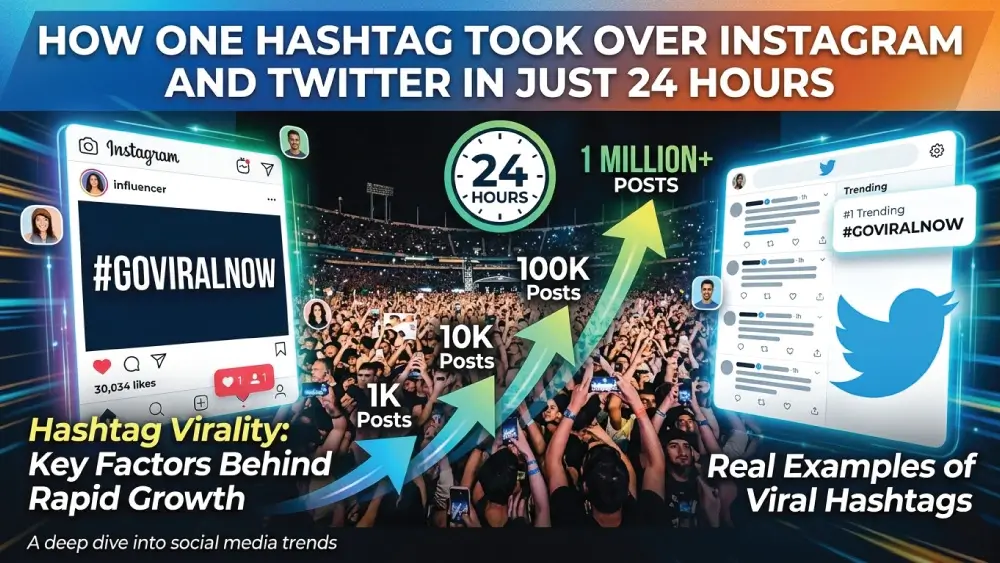
Timeline: How a Hashtag Takes Over in 24 Hours
Let’s break down a typical viral hashtag lifecycle:
Hour 0–2: The Spark
A hashtag is introduced-often by:
- Influencers
- Brands
- Viral content creators
Early engagement is crucial. Even small spikes signal algorithms to test the content further.
Hour 3–6: Initial Boost
If engagement rates are high:
- Posts appear on Instagram Explore
- Tweets gain traction via retweets
Platforms prioritize content with strong early engagement signals, such as likes, comments, and shares.
Hour 6–12: Influencer Amplification
This is where things explode.
When influencers or celebrities pick up the hashtag:
- It reaches millions instantly
- Conversations multiply rapidly
Studies show hashtags can spread exponentially due to network effects and user interactions.
Hour 12–24: Full Viral Domination
At this stage:
- The hashtag trends globally
- Brands and users join in
- Media coverage begins
The hashtag becomes unavoidable-appearing across feeds, stories, and trending sections.
Key Factors Behind Rapid Hashtag Growth
1. Real-Time Relevance
Timing is everything. Hashtags tied to live events (sports, news, or entertainment) perform exceptionally well.
For example, event-based hashtags can generate hundreds of thousands of views within hours when posted at the right moment.
2. Emotional Trigger
People share content that makes them feel:
- Inspired
- Shocked
- Entertained
Emotional storytelling significantly boosts engagement and shareability.
3. Cross-Platform Sharing
A hashtag rarely stays on one platform.
Content often spreads across:
- Instagram Reels
- Twitter threads
- TikTok videos
This multi-platform strategy amplifies reach exponentially.
4. Influencer Power
When influencers join early:
- Credibility increases
- Visibility multiplies
A single influencer can push a hashtag into trending territory within minutes.
5. Algorithm Support
Algorithms favor:
- High engagement rates
- Longer watch time
- Frequent interactions
For instance, viral content often achieves over 90% completion rates, signaling strong audience interest.
Real Examples of Viral Hashtags
#IceBucketChallenge
Raised over $100 million for ALS awareness
Spread globally within days
Encouraged user participation
This campaign proved hashtags can drive real-world impact beyond social media.
#WorldRecordEgg
- Became the most-liked Instagram post
- Millions engaged within hours
- Demonstrated simplicity + curiosity
#BringBackOurGirls
Sparked global awareness
Influenced political action
Showed the power of collective voices
The Role of Algorithms & User Behavior
Modern algorithms are designed to detect:
- Engagement velocity (how fast people interact)
- Content retention (how long users watch)
- Interaction depth (comments, shares, saves)
When a hashtag performs well in these metrics, platforms amplify it automatically.
Additionally, user behavior plays a critical role:
- People follow trends to stay relevant
- FOMO (Fear of Missing Out) drives participation
- Social validation encourages sharing
Lessons for Marketers & Creators
If you want to create a viral hashtag, follow these strategies:
1. Jump on Trends Early
Timing gives you a first-mover advantage.
2. Keep It Short & Catchy
Avoid complex or long hashtags.
3. Encourage Participation
Challenges and user-generated content boost reach.
4. Collaborate with Influencers
Leverage their audience for rapid growth.
5. Use Multi-Platform Strategy
Don’t limit your hashtag to one platform.
The Future of Hashtag Trends
Hashtags are evolving with AI and algorithm changes. Future trends may include:
- AI-driven hashtag recommendations
- Personalized trend feeds
- Voice and visual search integration
Despite these changes, one thing remains constant: hashtags will continue to shape online conversations.
As highlighted by Trend Trackr, staying updated with social trends is essential for digital success.
FAQs
How long does it take for a hashtag to go viral?
A hashtag can go viral within hours if it gains strong early engagement and influencer support.
Do hashtags still work in 2026?
Yes, hashtags remain a key discovery tool on platforms like Instagram and Twitter.
How many hashtags should I use?
On Instagram, 5–10 relevant hashtags are often more effective than using too many.
Can anyone create a viral hashtag?
Yes, but success depends on timing, creativity, and audience engagement.
Why do some hashtags fail?
Lack of relevance, poor timing, and low engagement are common reasons.